
Mountains aren't less steep if you have a higher income. Rain doesn't preferentially fall on those with certain ethnic backgrounds. A higher level of education does not correlate to ability to hike more miles in a day. Time spent in the outdoors is time spent exploring the core of what it means to be a…Read more Public Lands Are A Public Good
Outdoors

Astronomy Tidbits and Summer Solstice
Before I start discussing the upcoming solstice (Friday, June 20, 2025), there are a couple other little tidbits of interest I wanted to highlight this week. It's been tough to do any stargazing at home this week, as it's been raining non-stop for days, but that can't last forever! 1) Mars and Regulus Mars has…Read more Astronomy Tidbits and Summer Solstice

Little Bennett Regional Park, Montgomery County, MD – NuCamp T@G
A couple weeks back I wrote about some modifications I was making to our little NuCamp T@G teardrop camper. This weekend, we took it out to spend some time with some good friends and fellow empty-nester couples. Our destination was new to us, but it came recommended as a place requiring a reasonably short drive,…Read more Little Bennett Regional Park, Montgomery County, MD – NuCamp T@G

Armadillos: Ancient, Strangely Cute, and Coming To A State Near You!
Armadillos are... unique. The ones that live in the United States, the nine-banded armadillos (Dasypus novemcinctus) are smallish mammals, around 30 inches long (about the size of a raccoon, groundhog, or skunk) but they are covered with leathery armored overlapping plates that wrap from left to right across their bodies. From underneath this "shell" emerge…Read more Armadillos: Ancient, Strangely Cute, and Coming To A State Near You!

A Tale Of Two Hunters
Reflecting on hunting as a wildlife management tool - Two different experiences with hunting white-tailed deer.

Navigating Unpredictable Weather on Hiking Trips
We focus on the challenges of elevation, distance, the unconquerable mountain peak - but weather can be an overlooked antagonist on backcountry trips.

Backpacking: Mt. Sterling, Pretty Hollow, Great Smoky Mountains National Park, NC
A 26-mile, 2 night loop in Great Smoky Mountains National Park.
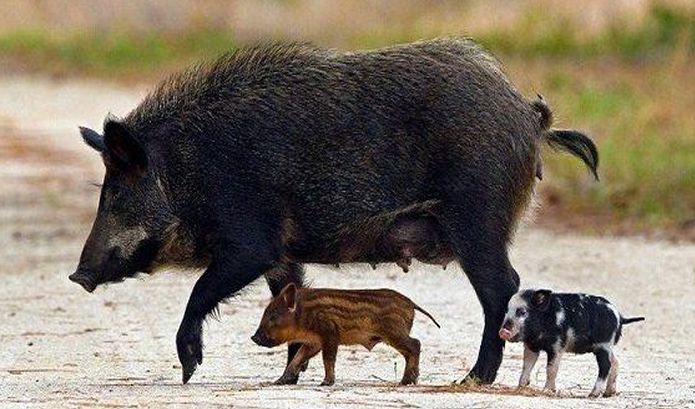
Invasive Feral Hogs in the Smoky Mountains
A lot of my blog-posting derives from encountering something interesting that prompts me to go down a road of research and discovery. This is one of those posts. Last week, my son and I spent three days and two nights backpacking in Great Smoky Mountains National Park (more on that soon, including video), and we…Read more Invasive Feral Hogs in the Smoky Mountains
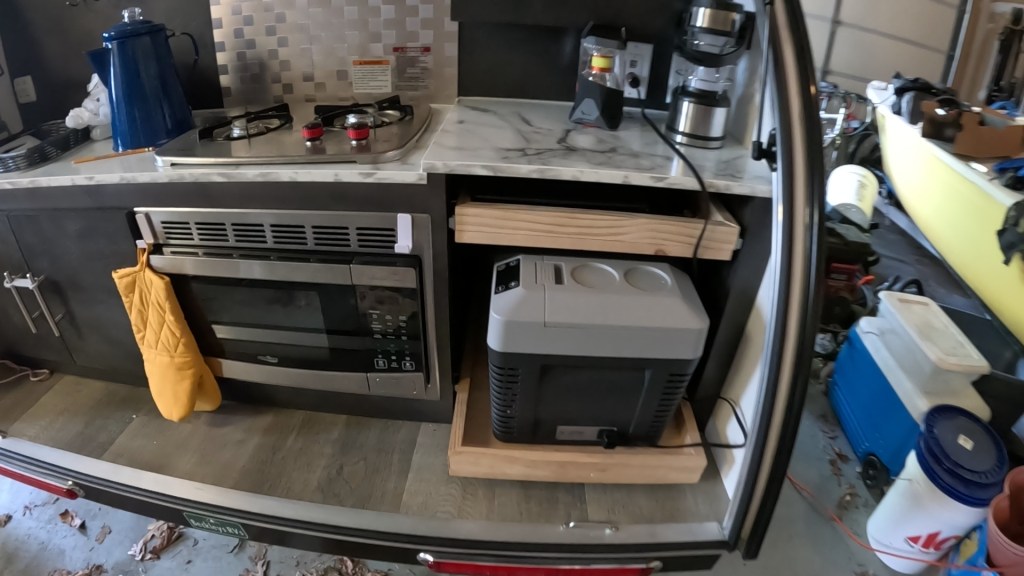
NuCamp T@G Modifications – Galley Upgrades
After our kids got old enough to move out and go to college, my wife and I started adapting to an "empty nest" at home. The kids' departure left me with fewer excuses to go out camping and backpacking every month, but my wife made an offer. She said she'd be interested in spending more…Read more NuCamp T@G Modifications – Galley Upgrades

Paddling: Mattaponi River, VA
Several years ago, I started paddling sections of the Mattaponi River one of the two primary tributaries of the York River (the other being the Pamunkey), in eastern Virginia. It's a beautiful, narrow stream with low but steady current despite only a slight downhill gradient, and its rural watershed transports a paddler into what feels…Read more Paddling: Mattaponi River, VA

Technology In The Backcountry
For many of us - certainly myself - getting out into the backcountry is an escape from the modern, connected world we live in. As a matter of fact, when I first started writing this blog in 2016, back before the first of several society-shaking events that have occurred since then, my goal was ostensibly…Read more Technology In The Backcountry
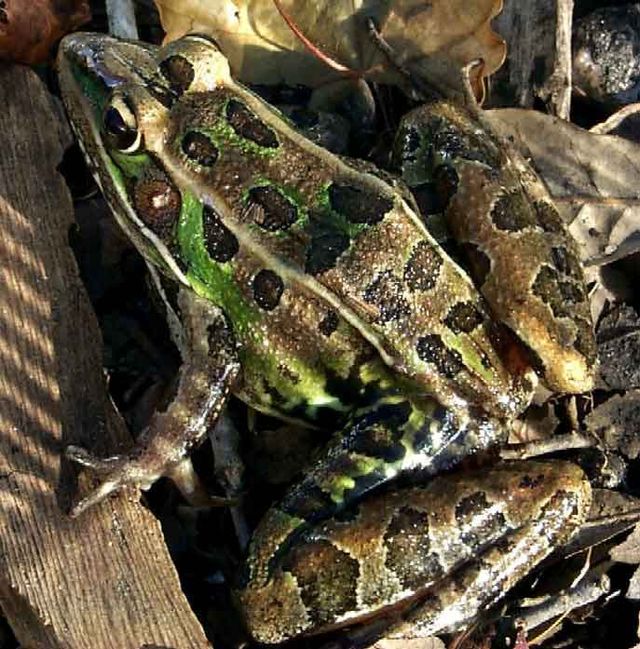
Name That Tune – Frog Edition!
It's early May here in Southern Maryland, and the neighborhood drainage and retention pond near my house is hopping! Literally! Walking by there the other night, I heard a cacophony - at least 4 different types of frogs, all calling out at the top of their lungs, attracting mates and racing against the coming summer…Read more Name That Tune – Frog Edition!
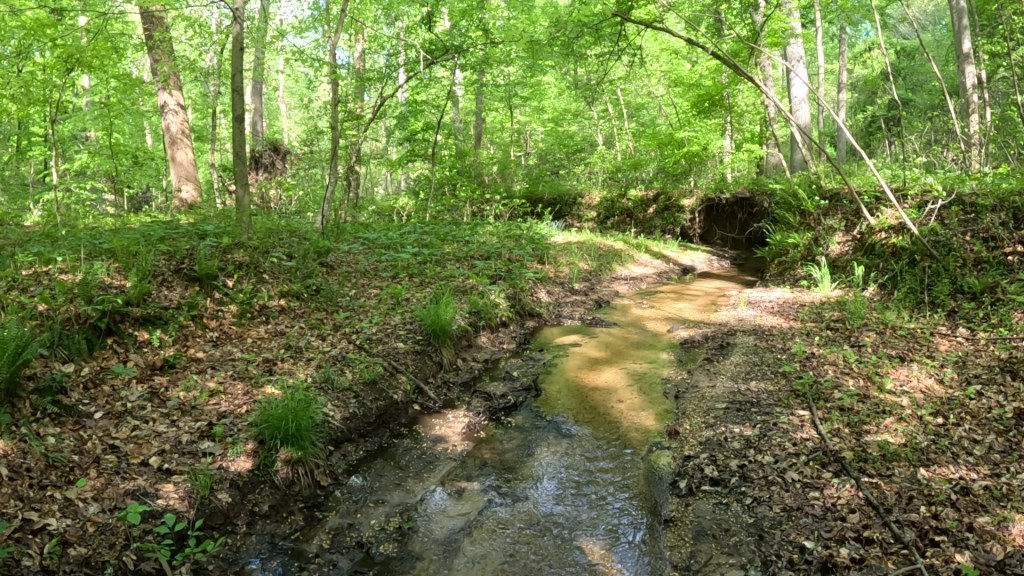
Dayhike: American Chestnut Land Trust – Oriole Trail
Last weekend I took the opportunity in the wake of a strong cold front to go check out a new (to me) local trail at the American Chestnut Land Trust, in Calvert County, MD. I had noticed on my GPS app that there was a trail there not already covered by my various path traces,…Read more Dayhike: American Chestnut Land Trust – Oriole Trail

Carnivorous Caterpillars, Living Lightning Rods, and Bluebirds
Some recent natural science stories that I find interesting: Caterpillars Scientists in Hawaii have discovered a very unique caterpillar with a very dangerous lifestyle. First of all, it's carnivorous - a trait that only 0.13% of all known butterfly/moth species share. Second, it gets its meals by living in spider webs, and scavenging the bits…Read more Carnivorous Caterpillars, Living Lightning Rods, and Bluebirds

Wildflowers In Not-So-Wild Places
It's late April, and that's a little too late for many wildflowers, and a little early for some others. Regardless, I took a little time today to wander and see what wildflowers I could find here in Maryland. Several of these are tiny, not-showy flowers, and unless you see them in a cluster they're not…Read more Wildflowers In Not-So-Wild Places

