This probably won’t come as much of a surprise to most of you – I am not a badass outdoorsman.
I think I’m pretty mediocre – a middle-aged dad, a weekend warrior. Enthusiastic, maybe, but I’m not out there doing Fastest-Known-Times, first ascents of remote Himalayan peaks, or the like. I sort of think the point is to plan things such that I’m NOT risking my life every time I go out.
I’ve noticed though, that every time something goes wrong – things like dealing with broken or forgotten gear, or failure to properly anticipate weather – I FEEL like a badass. It seems to be a common phenomenon that dealing with adversity generates the best, most long-lasting, and perhaps the most-embellished stories that really stick with us.
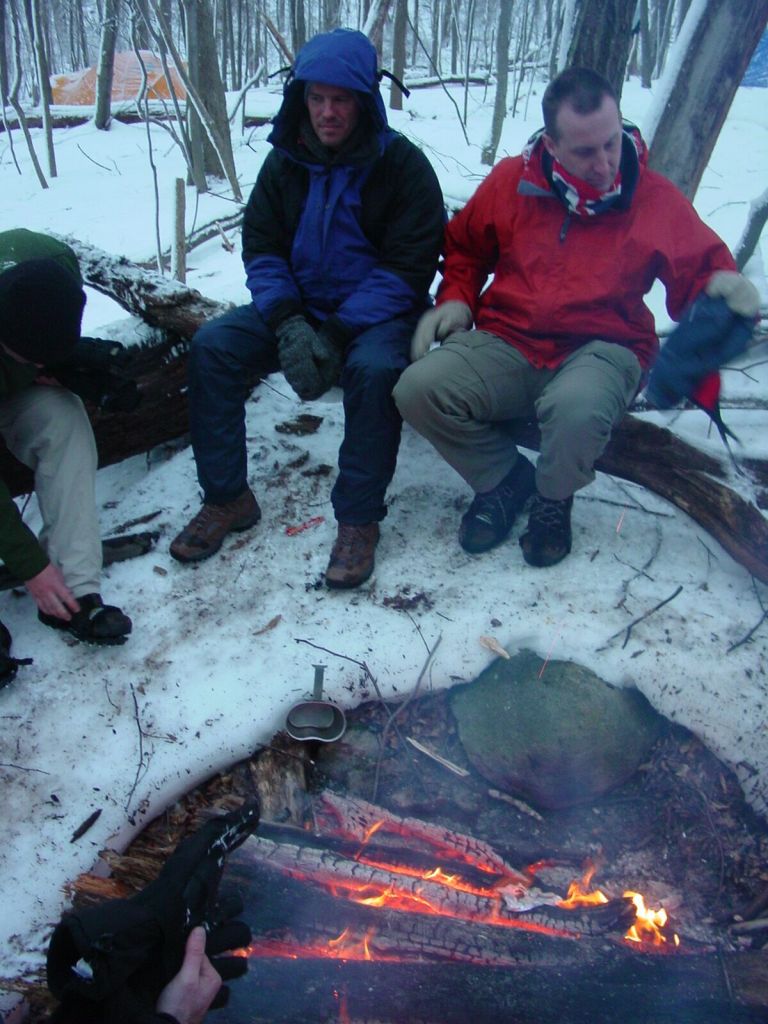
For example, I remember as a kid in Scouts, when we mis-counted the allocation of tents on a canoe trip, I was the one who volunteered to spend a night out in pouring rain by making a shelter with two canoes leaned together, upside down, and sleeping on the beach under them. It kinda sucked, but in the morning I was a rock star.
Many years later, my own kids (again on a Scout canoe trip), left the bag containing lunch back at camp when we hit the river. At lunchtime, realizing one patrol had no food became a good group lesson on collaborative problem solving, and nobody starved.
Then there was the time me and some buddies had to turn back halfway up a mountain because we’d underestimated the amount of snowpack and were sinking waist deep in drifts between unseen boulders. The time we did an unplanned night hike to get to shelter before a faster-than-planned front moved through and plunged temperatures well below what we were prepared for. I’ve seen lots of bears, but remember every encounter as special. The list goes on.
Within a good risk management framework, these kinds of events are challenges, but not disasters. And overcoming challenges feels great! It’s a great confidence boost to know you planned well, you had mitigations in place, you have the skills to deal with surprises. Those are the stories we love to tell. Those are the events we learn the most from, with honest hopes that – as exciting as it was – those mistakes never happen again. Experience is what you gain right after you really needed it.
The thing is, good storytelling relies on the tension and drama associated with potential disaster, so in talking to others we tend to over-represent the crisis, the danger, the near-death experiences. We like to talk about “that one time things went really bad”, because it makes us look and feel like the badasses we’d like to think we are, even when the vast majority of experiences are just… fun. It’s harder to sell the mundane.
For those in the business of generating attention, there’s a feedback loop that tends to drive people to DELIBERATELY do things that are more risky and less attainable for the intended audience. Outdoor media tends to skew toward elite performance athletes accomplishing super-human feats. Or people will set themselves up to “survive” situations with self-imposed handicaps. These are admittedly fun to watch, and they’re fun to DO. It’s a successful formula that seems to revolve around individual heroism and conquering nature, mostly.
Unfortunately, it’s easy to create a narrative that outdoor experiences are inherently dangerous, or that you need to be a “professional” to enjoy outdoor sports. I routinely talk to people who are terrified of hiking because they fear there are rattlesnakes and bears behind every bush. Or people who think they can’t camp because they don’t know how to start a fire with a ferro-rod and birch bark. Or that destinations have to be epic in order to be worthwhile. Or that they need thousands of dollars worth of gear. In telling our most thrilling tales of adversity, we find ourselves accidentally closing doors to the very people we want to encourage.
I can’t and won’t deny that it’s exciting, and we learn a lot when we have to deal with unplanned challenges. But it’s important to realize that things don’t have to be difficult to be worthwhile. In today’s society, where more and more people live in a completely man-made environment, it’s arguably more important than ever to open doors to people, to make recreation, education, and conservation work together.
Let’s celebrate the little successes too, and acknowledge that things only become “mundane” because we’ve developed the experience required to make them routine. Overcoming adversity is still a rush, in addition to being a learning experience. But challenges also scale with experience.
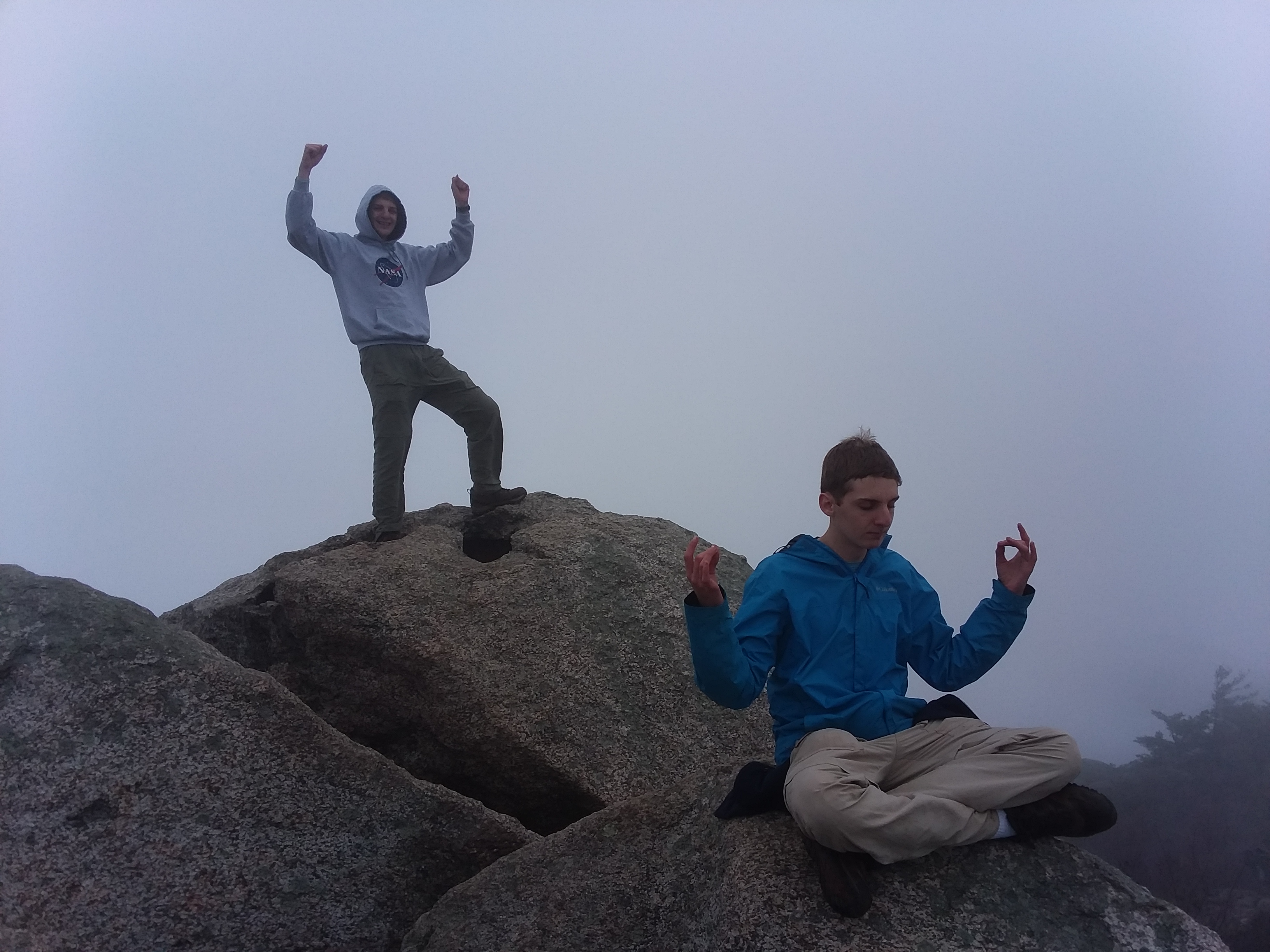
Building that first fire on your own feels like conquering the world. Successfully cooking dinner without a microwave is a huge accomplishment. When you reach a mountaintop, you haven’t conquered nature, but you very well might have conquered some of your own misgivings. Personal growth is an experience worth remembering, and re-telling, no matter how big the challenge.
Get Out There!
 Flying Squirrel Outdoors
In total agreement. I know what it’s like to wake up in the morning with a bear standing on top of me, but it is nothing I would wish on other people, or myself again. Grin. Over the years, I introduced many people to backpacking and one of the best things that we can do is make the experiences so enjoyable that they want to come back, again and again. It’s best to learn that your shoes don’t fit well, or that you are packing too much, or too little on an overnighter than a week long excursion.
LikeLiked by 1 person
I yes, I’ve heard you mention that particular bear story before. A good one! Thankfully not the model of what every trip should look like! =)
LikeLike
Definitely to be avoided. Grin.
LikeLike
You’re right, overcoming challenges does feel very satisfying and it helps you become more resourceful and crafty when out in the backcountry. We’re often stronger than we think. It’s good to get out of our comfort zone, but to also be aware of the risks and to plan accordingly.
LikeLiked by 1 person